
Updated for 2026
If you’re on an H-1B visa, you probably have a stable job and a strong credit history in your home country, but the U.S. credit system sees you as a blank slate. The good news is that your situation is easier than that of many newcomers: H-1B workers are generally eligible for a Social Security Number, which opens the door to the standard credit-building path. This guide explains how to get started and which type of card fits.
First, Get Your SSN
Employment-based nonimmigrants such as H-1B and L-1 workers are generally eligible for a Social Security Number because they have work authorization. Since 2014, the Social Security Administration no longer requires these applicants to wait two weeks after arrival before applying, as reported by immigration law firm BAL. Issuance can still be delayed if SSA cannot immediately verify your information, so apply early, bring your immigration documents, and expect some processing time.
Having an SSN matters because most U.S. issuers use it to find your credit file and to open one. It is the single biggest step for an H-1B holder.
Your Three Realistic Paths
| Path | How it works | Best for |
|---|---|---|
| Secured card | You put down a refundable deposit that becomes your limit | Anyone with no U.S. history |
| Card that reviews foreign credit history | Some issuers use services like Nova Credit to translate your home-country credit report | People from supported countries with good credit abroad |
| Starter unsecured card | Issuer approves based on income and your new U.S. file | After a few months of history |
Path 1: Secured Cards
A secured card is the most reliable first step when you have no history. Capital One’s Platinum Secured and Quicksilver Secured cards accept an ITIN and don’t require existing credit history. A typical deposit range is $49 to $200 for a $200 starting limit, though terms change. See our guide to the best credit cards for immigrants with no SSN for the full breakdown.
Path 2: Using Your Foreign Credit History
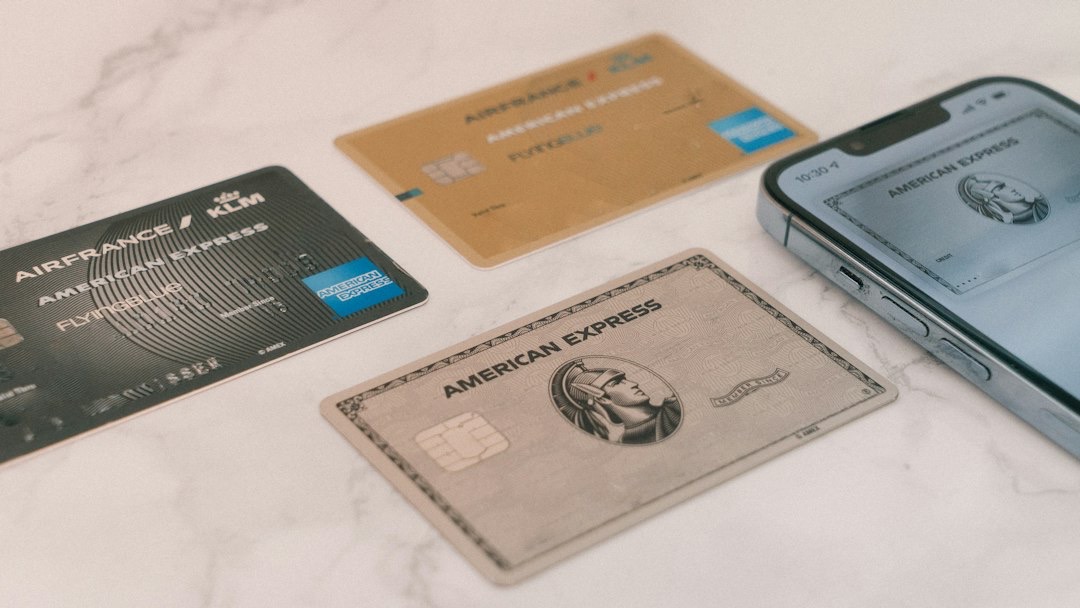
Nova Credit translates credit reports from certain countries into a format U.S. lenders can read. American Express was the first major issuer to use it, and according to Nova Credit’s guide, applicants from supported countries can apply for several Amex cards, including the Gold Card, the Platinum Card and the Blue Cash cards. That guide lists the supported countries as Australia, Brazil, Canada, the Dominican Republic, India, Kenya, Mexico, Nigeria, the Philippines, South Korea, Switzerland and the U.K. American Banker reported in 2019 that Amex saw newcomers from five pilot countries approved at more than five times the rate of traditional underwriting. Supported countries and issuers change, so check Nova Credit and the issuer’s application page for the current list. For how this works in practice, see our guide on transferring your credit score to the US.
Reported annual fees in the Nova Credit guide, which may have changed: Gold Card $325, Platinum Card $695, Blue Cash Preferred $0 for the first year then $95, and Blue Cash Everyday with no annual fee. High annual fees only make sense if you will use the perks, so a no-fee card is often the better first choice.
Path 3: A Starter Unsecured Card
After a few months of on-time payments on a secured card, many issuers will consider you for an unsecured card. Some secured cards also review your account automatically for an upgrade.
Which Path Should You Choose?
- No good credit abroad, or your country isn’t supported: start with a secured card.
- Strong credit in a supported country: consider a card that uses Nova Credit, preferably one with no annual fee at first.
- You already have 6 or more months of U.S. history: compare starter unsecured cards.
Step-by-Step Plan
- Apply for your SSN with your passport, visa documents and I-94 record.
- Open a U.S. bank account. See our comparison of banks for immigrants with no SSN required.
- Pick a card path from the table above.
- Use it lightly and pay in full, keeping balances under about 30% of the limit.
- Check your credit reports for free at AnnualCreditReport.com and read our explainer on how credit scores work.
- Review your options after 6 to 12 months, when more cards become available.
Common Mistakes to Avoid
Paying a high annual fee for perks you won’t use. A $695 fee isn’t a good value if you don’t travel or dine enough to use the credits.
Applying for several cards in a short time. Each application can add a hard inquiry.
Assuming your foreign score transfers automatically. It doesn’t. It only counts where an issuer participates in a translation service and supports your country.
Closing your first card too early. It shortens your credit history.
Carrying a balance to “build credit.” You don’t need to. Pay in full to avoid interest.
Frequently Asked Questions
Can H-1B holders get credit cards?
Yes. With an SSN and a U.S. address, you can apply for secured cards right away and, in time, unsecured ones.
Do I need an SSN to apply?
Most issuers prefer one, and H-1B holders are generally eligible for it. Some cards accept an ITIN or other alternatives.
Will my credit history from India or Mexico help me?
Possibly, if the issuer uses a service like Nova Credit and supports your country. Check the issuer’s current policy.
How long does it take to build a score?
Many people see a first score within about six months of reported activity.
What if my visa status changes?
Your credit file stays with you. Immigration rules change, so consult a licensed immigration attorney for questions about your status.
Written by Hector Reyes, based on 2026 research of Nova Credit, American Banker and BAL Immigration Law. Issuer policies, fees and supported countries change; confirm current terms before applying. This is general information, not legal or financial advice.
Leave a Comment