
Last Updated on 3 weeks ago by Hector Reyes
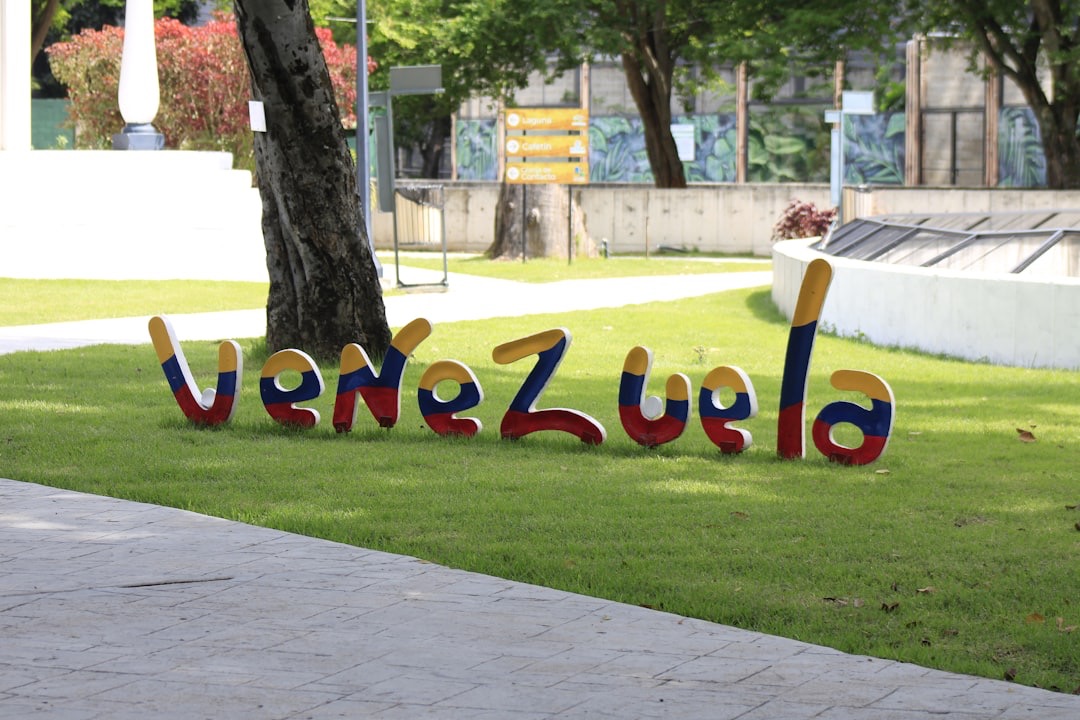
Venezuela is one of the more complicated remittance corridors — many mainstream apps like Wise don’t operate there directly, and dual exchange rates plus banking access issues mean the “best” option often isn’t the same app you’d use for Mexico or Colombia. Here’s what actually works in 2026.
Why Venezuela Is Different
Traditional international banking access in Venezuela has been limited for years, which pushed both senders and recipients toward alternatives: digital dollar wallets, P2P arrangements, and increasingly, stablecoins. Understanding this landscape matters more here than for almost any other corridor, because picking the wrong option can mean your family waits days or pays unnecessarily high conversion costs.
Best Options by Method
1. Zelle + a trusted broker (P2P)
This has become one of the most common methods for U.S.-based senders. You send dollars via Zelle (free between enrolled U.S. bank accounts) to a broker who then delivers the equivalent in bolívares to your recipient in Venezuela, typically at a rate close to the parallel market rate. The catch: this depends entirely on finding a reliable, trustworthy broker — verify carefully before sending any significant amount, since there’s no fraud protection built into Zelle itself for this kind of arrangement.
2. MyBambu — a straightforward digital option
MyBambu specifically added Venezuela to its transfer network, letting you send from a fully digital U.S. account (opened with just a passport, driver’s license, or national ID — no immigration status verification required) directly to major Venezuelan banks like Banco de Venezuela, Banesco, BBVA Provincial, and Banco Nacional de Crédito. Transfers typically arrive in about 35 minutes, with your first several transfers free as a new user.
3. Zinli — a dollar-based digital wallet
Zinli lets you send U.S. dollars directly to a recipient’s Zinli account. Once received, your recipient can spend directly using a Zinli virtual or physical Visa card at any store that accepts card payments — useful because it sidesteps the need to convert to bolívares at all for everyday spending.
4. Airtm and Reserve — flexible digital dollar wallets
Both let recipients hold and move U.S. dollars (Airtm supports USDC as well) and are popular among freelancers and people receiving international payments, since they’re built around flexibility between digital and local payment methods.
5. Stablecoins (USDT/USDC) via exchanges like Binance
Cryptocurrency, specifically dollar-pegged stablecoins, has become a real part of the Venezuelan remittance landscape — it bypasses traditional banking bottlenecks and can be faster and cheaper for larger or recurring transfers. This requires more technical comfort than a typical app and carries its own risks (exchange reliability, wallet security), so it’s best suited to people already comfortable with crypto rather than a first-time sender.
6. MoneyGram
Still operates in the corridor with options for cash pickup, bank deposit, or mobile wallet delivery — a reasonable choice if you want a long-established, traditional provider rather than a newer digital wallet or P2P arrangement.
Comparison at a Glance
| Method | Speed | Best for | Requires recipient to have |
|---|---|---|---|
| Zelle + broker | Minutes to hours | Getting close to the parallel market rate | A trusted local contact for cash delivery |
| MyBambu | ~35 minutes | Direct bank deposit, simplicity | A Venezuelan bank account |
| Zinli | Minutes | Everyday card spending | A Zinli account |
| Airtm / Reserve | Minutes | Freelancers, flexible dollar holding | An account with the platform |
| Stablecoins (USDT/USDC) | Minutes | Larger or recurring transfers | Comfort with crypto wallets |
| MoneyGram | Minutes to a day | Traditional cash pickup | Access to a pickup location |
How to Choose
- Ask what your recipient already uses. If they already have a Zinli, Airtm, or crypto wallet set up, sending to that same platform is almost always the smoothest path.
- If they need bolívares in hand, not dollars, a Zelle-plus-broker arrangement or MyBambu’s direct bank deposit tends to work well — just vet any broker carefully.
- For larger or recurring amounts, stablecoins can offer real savings over traditional fees, but only if both you and your recipient are comfortable managing a crypto wallet.
- Always compare the actual amount received, not just the advertised fee — the exchange rate applied (especially anything tied to the parallel market) matters more than any flat fee in this specific corridor.
A Word on Safety
Because P2P broker arrangements are common in this corridor specifically due to limited traditional banking access, they also carry more risk than a regulated app. Use brokers with an established track record or personal referral, never send a large first-time amount to an unverified contact, and prefer regulated services (MyBambu, MoneyGram, established crypto exchanges) whenever your recipient’s setup allows it.
Frequently Asked Questions
Why doesn’t Wise work for sending money to Venezuela?
Wise doesn’t currently support direct transfers to Venezuela, largely due to the country’s banking access restrictions — this is why Venezuela relies more heavily on digital wallets, P2P arrangements, and stablecoins than most other Latin American corridors.
Is it safe to use cryptocurrency to send money to Venezuela?
It can be, when using established platforms and taking normal wallet security precautions, but it requires more technical understanding than a typical remittance app. It’s not recommended for a first-time sender unfamiliar with how crypto wallets work.
What’s the fastest way to send money to Venezuela?
Digital wallet transfers (Zinli, MyBambu, Airtm) and stablecoin transfers are typically the fastest, often landing within minutes.
Does my recipient need a bank account to receive money?
No — options like Zinli, MoneyGram cash pickup, and Zelle-plus-broker arrangements don’t require your recipient to have a traditional Venezuelan bank account.
Written by the CreditForImmigrants Team — based on 2026 market research into the Venezuela remittance corridor. This landscape changes faster than most others; always verify current options and exchange rates before sending, and vet any broker or P2P arrangement carefully.
Leave a Comment